
MOBILE APP DESIGN
ConnectWell: Wellness Begins With Connection
ConnectWell is a mobile application designed to combat social isolation and improve mental well-being by connecting users with communities, events, and mental health resources. Inspired by the challenges of of an isolated generation, the app serves as a hub for individuals seeking support, engagement, and meaningful social interactions.
PROBLEM
As a result of the pandemic, people found themselves cut off from their usual social circles, leading to increased loneliness, anxiety, and stress. With the new normal, many struggle to find meaningful connections and mental health resources which has implications for people’s long-term mental and physical health, longevity and well-being, according to research published by the American Psychological Association. Social isolation led to a disruption of routine and structure, boredom, and lack of connection for many
SOLUTION
I set out to solve this problem by designing an intuitive platform to foster connections, improve emotional well-being, and make mental health support more accessible. ConnectWell helps you stay connected, engaged, and informed. Whether you're looking to join new social circles, participate in local events, or simply find a listening ear, ConnectWell offers personalized recommendations and resources tailored to your interests and needs. By centralizing communication and making it easy to discover and join groups, ConnectWell ensures that you always have a supportive network at your fingertips, enhancing your overall mental health and sense of community
This category details the step-by-step approach taken during the project, including research, planning, design, development, testing, and optimization phases.
Research & Discover
Conducted market research to identify existing challenges and user preferences. Defined target audience segments and outlined key features based on user needs and market trends.
Empathize
Conducted market research to identify existing challenges and user preferences. Defined target audience segments and outlined key features based on user needs and market trends.
Ideation & Prototyping
Created intuitive user interfaces and wireframes. Iteratively refined designs based on user feedback to enhance usability and visual appeal.
Testing
Conducted usability testing of the prototype to ensure compatibility and performance. Gathered user feedback through beta testing and iteratively optimized the app based on usability metrics and user satisfaction.
Secondary Research
I reviewed studies on the impact of isolation during the pandemic, including findings from the American Psychological Association that highlighted the long-term effects of loneliness on mental and physical health.
User Research
I conducted 6 interviews with a diverse group of individuals (young professionals, students, and remote workers) to understand their feelings of isolation and the mental health challenges they faced. Common themes included difficulty in finding social connections, managing anxiety, and balancing work-life commitments.
Key Findings
80% of Participants reported they had felt isolated at some point during the pandemic, with many continuing to struggle with this feeling after its peak.
85% of Participants mentioned that they had searched for mental health resources online but found it overwhelming to filter through options without proper guidance.
Over 70% of Users expressed interest in joining virtual support groups, but they were hesitant due to concerns over privacy and anonymity.
The Main Barrier to engagement with in-person therapy or group events was time constraints and location difficulties (e.g., finding nearby events or groups that matched their schedules).
Most Participants (90%) said they would appreciate having an app that integrates personalized recommendations for mental health resources, local events, and virtual communities.
50% of Users felt that existing mental health resources were either too generalized or not tailored to their specific needs, leading them to seek a more personalized experience.
Many Participants (75%) expressed that a key aspect of any wellness platform should be its simplicity—it should be easy to use, intuitive, and supportive without overwhelming them.
Competitor Analysis
To better understand the landscape of mental health and wellness apps, I conducted a competitor analysis, comparing key features and gaps in offerings. This helped me gather ideas and solutions for improving the user experience by implementing different features.

Prioritization Matrix
A 2x2 Prioritization Map helped categorize features based on their impact and effort required. This helped me decide which features should be prioritized.

Pain Points
I reviewed studies on the impact of isolation during the pandemic, including findings from the American Psychological Association that highlighted the long-term effects of loneliness on mental and physical health.

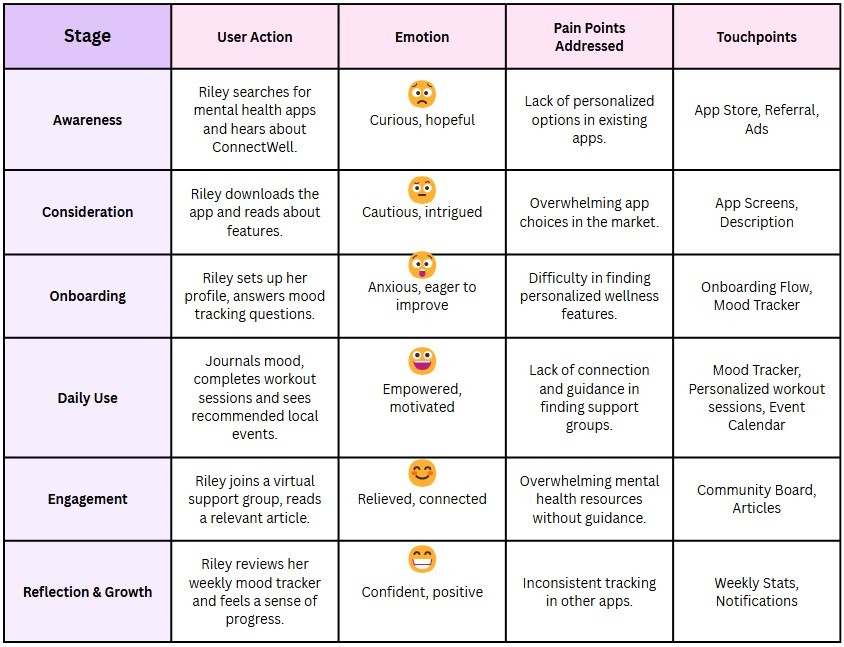
Based on the research findings, I created a User Persona influenced by the target audience of the App—young-middle aged remote working individuals.

Low Fidelity Wireframes
To kick off the design process, I began with hand-sketched low-fidelity wireframes and a simple user flow mapped out on paper. This early exploration helped me quickly visualize layout ideas, experiment with navigation, and identify any potential roadblocks before diving into digital tools.

Visual Style and Design
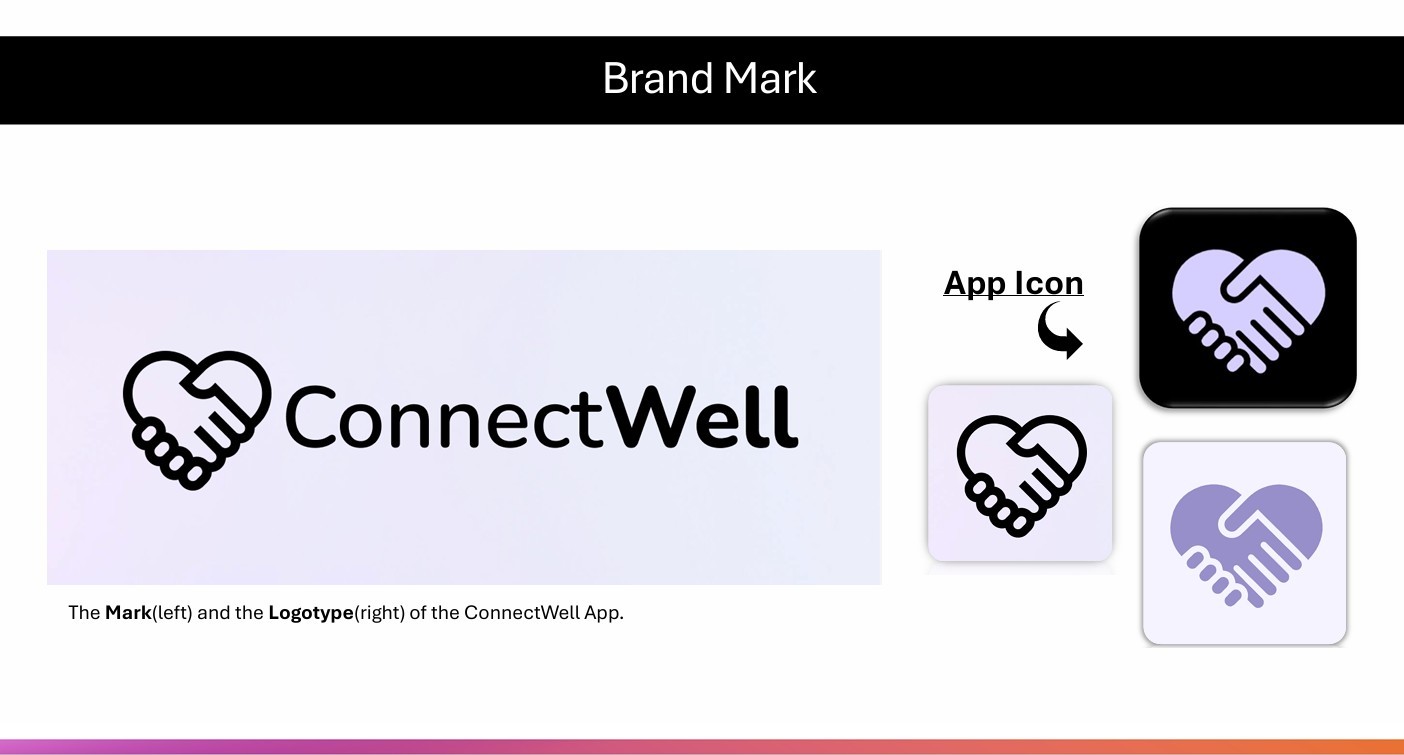
To establish a cohesive and recognizable look for ConnectWell, I created a custom brand mark and logo that reflect the app’s friendly and supportive tone. Alongside this, I curated a visual style guide that includes a color palette and primary and secondary typefaces to maintain consistency across all screens.

High Fidelity Wireframes
With the structure in place, I moved on to designing the high-fidelity wireframes. This stage involved multiple rounds of trial and refinement as I experimented with layout, flow, and visual style to ensure the app felt intuitive and engaging.
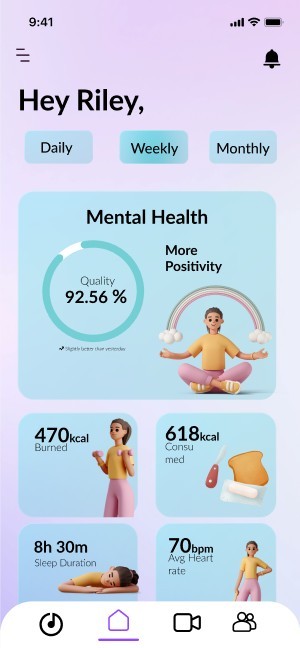
To keep users motivated and make daily use feel rewarding, I introduced gamified elements such as progress tracking, personalized streaks, and playful visuals. The interface was crafted to feel friendly, vibrant, and approachable, encouraging users to return regularly and build a consistent habit around social connection.

Testing & Iteration
After developing high-fidelity prototypes of ConnectWell, I conducted usability testing with 3 target users who aligned with the app’s core audience: individuals seeking to improve their social well-being through accessible and inclusive community events.
Key Findings
Clarity Issues: Some users struggled to distinguish between “Events” and “Groups,” thinking they were the same.
Overwhelming Onboarding: The onboarding process felt too text-heavy and created early friction.
Positive Response to Personalization: Users appreciated recommendations based on their goals (e.g., “tailored workouts & meditation playlist” “level-up challenges,” etc.)
Design Iterations
Simplified onboarding with a step-by-step guided experience and concise prompts
Visually separated Events vs. Groups with distinct icons and color cues
Improved accessibility color contrast based on WCAG guidelines after user feedback from one colorblind participant
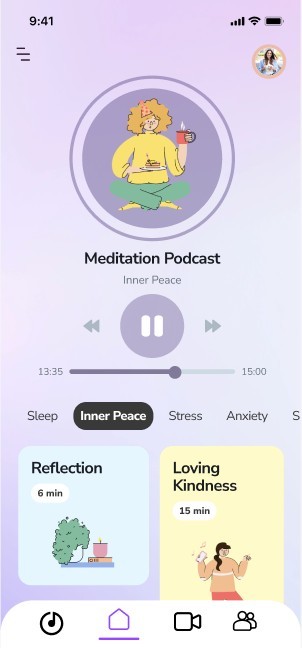
Key Features
Here are some of the key features:






What I Learned
Next Step
The Importance of Simplicity:
One of the biggest takeaways from this project was how vital it is to keep the app's user interface clean and intuitive. Users prefer simple and direct options, especially when it comes to tracking their mood and finding support. The more straightforward and accessible the features are, the more users will engage with the app regularly.
Personalization is Key:
Personalizing content and suggestions based on mood or specific mental health needs is crucial. Users appreciated the tailored recommendations, but they also expressed a desire for deeper personalization—something more than just basic recommendations. Integrating more detailed user profiles and customized suggestions will likely increase engagement and provide greater value.
Community Engagement Drives Value:
Community features, like the support groups and community boards, resonated with users the most. Social connection is at the core of tackling feelings of isolation and anxiety. The search and filtering system could be improved to make it easier for users to find groups and resources that match their needs, which would make the experience more effective and user-friendly.
The Power of Small Wins:
Users were motivated by small achievements, like mood tracking or completing activities, which showed progress over time. Introducing elements of gamification, such as badges or points for certain actions, could further enhance user motivation and retention.
Refining the Onboarding Process:
Based on feedback, simplifying the onboarding process is a priority. I plan to add tooltips or step-by-step guides during the onboarding phase to ensure users understand the purpose of each feature and how to personalize their experience.
Enhancing Personalization Features:
To better tailor the user experience, I will work on integrating a more granular mood-tracking system (e.g., a 1-10 scale or adding more mood categories). This will allow users to provide more accurate input, which can then be used to deliver better, personalized recommendations.
Improving Community Navigation:
One of the key areas for improvement is in the community section. Implementing advanced search filters and interest-based tags for both community posts and support groups. This will make it easier for users to find the most relevant groups to join and contribute to.
Adding Gamification Elements:
Introducing a reward system (badges, coins, XP points) will encourage users to continue engaging with the app regularly. Small, tangible rewards for tracking moods, attending events, or completing wellness activities can foster a sense of achievement and motivate users to maintain healthy habits.
User Testing & Iteration:
Continuous testing and iteration will be critical to refining these features. I plan to conduct another round of usability testing after implementing these improvements to assess the effectiveness of these changes and gather more feedback.

